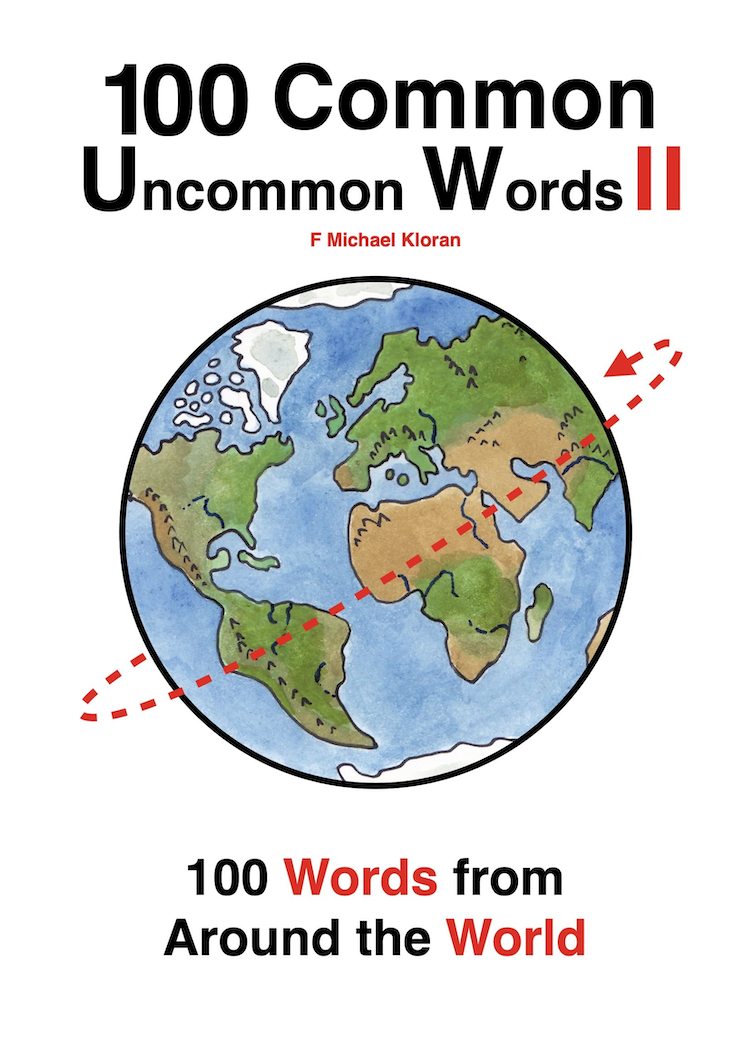
After making the first book in this series, I had a nagging desire to make one more, this time based on words that came to English from other languages.
Why? Well, as Marge Simpson once said, “I just think they’re neat.”
It was important to use words that would either be interesting for learners or highlight key learning points.
For example, many nouns from Japanese don’t change when they become plural: one samurai or two samurai. Not everyone agrees on this style though. So words like ninja and kimono are often written with an “s” in the plural.
Or take a word from Italian like antipasto which is often misspoken as “antipasta.” That’s the kind of word I was looking for.
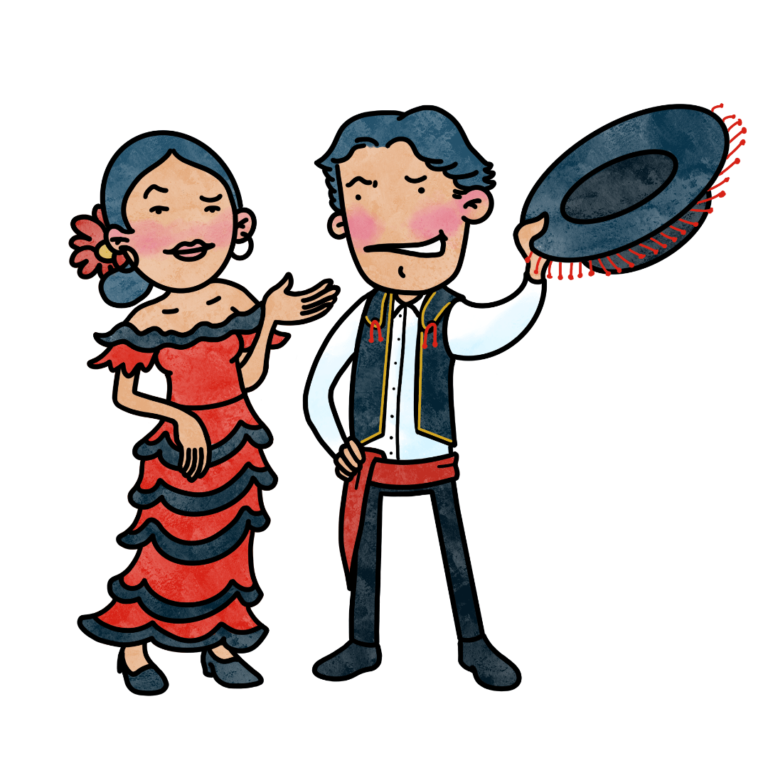
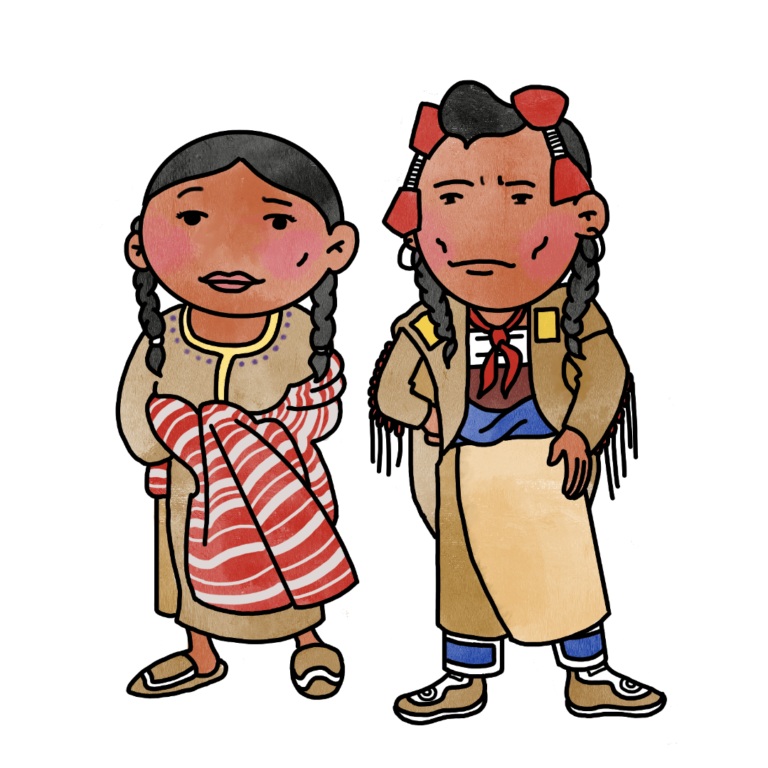
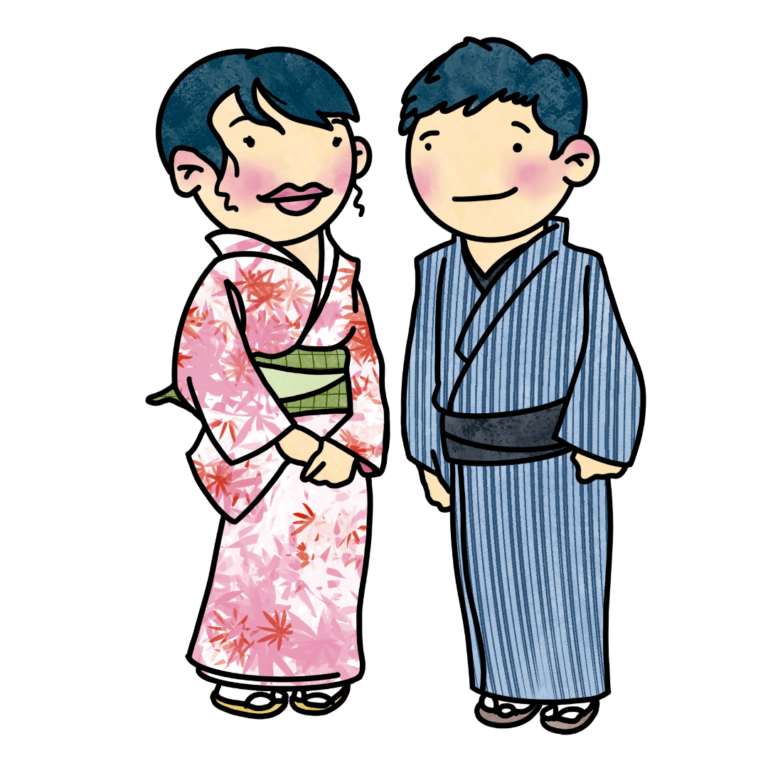
Getting the people right
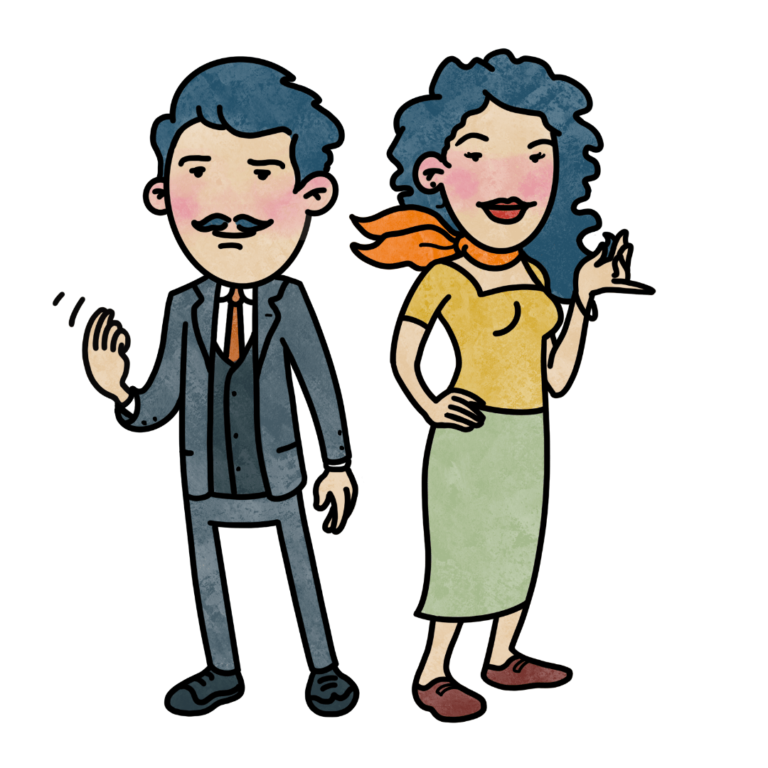
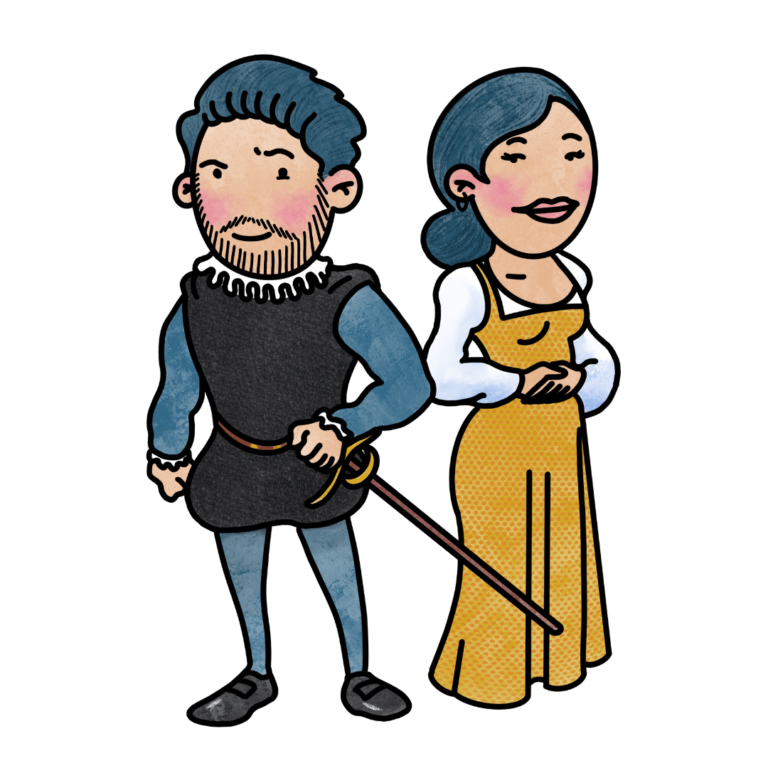
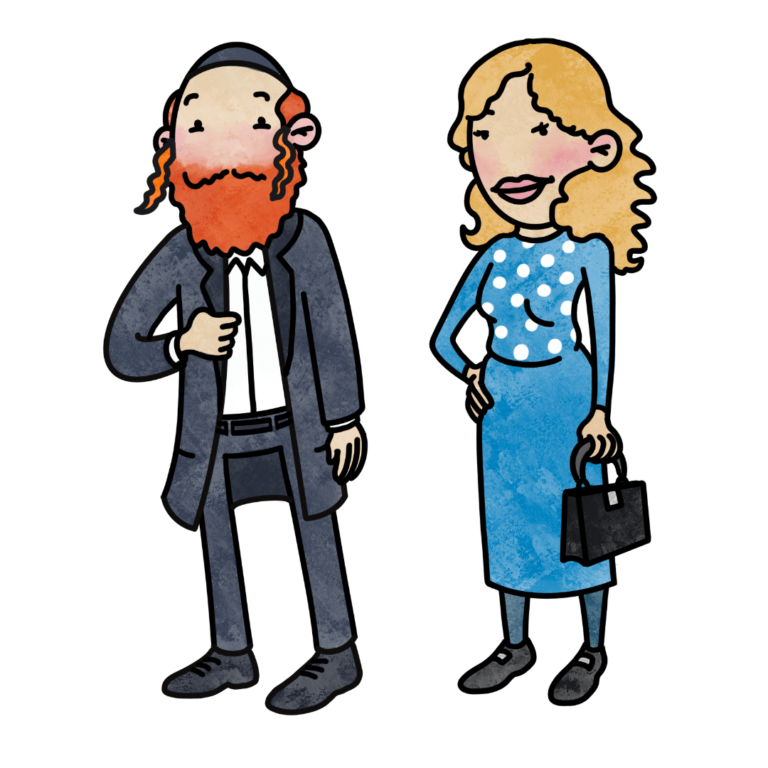
Since each chapter starts with a full-color illustration of people who speak the given language, I really wanted to get the people right, with cartoony style, but a degree of realism. They needed to be instantly recognizable, so I settled on traditional clothes from different eras, depending on the language.